What a wholesaler actually does for you
Most of our customers did not set out to spend their week on purchasing. They opened a shop, or a kitchen, or a bar, and the stock came with it. The job of a distributor is to take that part back off them — not with a slogan, but with a routine that holds up on a Friday.
The routine, in order
You get a delivery day. It is agreed when the account opens and it does not move around. Behind that day sits a cut-off: send the order before it and it goes on that run, send it after and it goes on the next one. Nothing else about ordering matters as much as those two things being fixed, because everything you plan — staff, fridge space, cash — is planned against them.
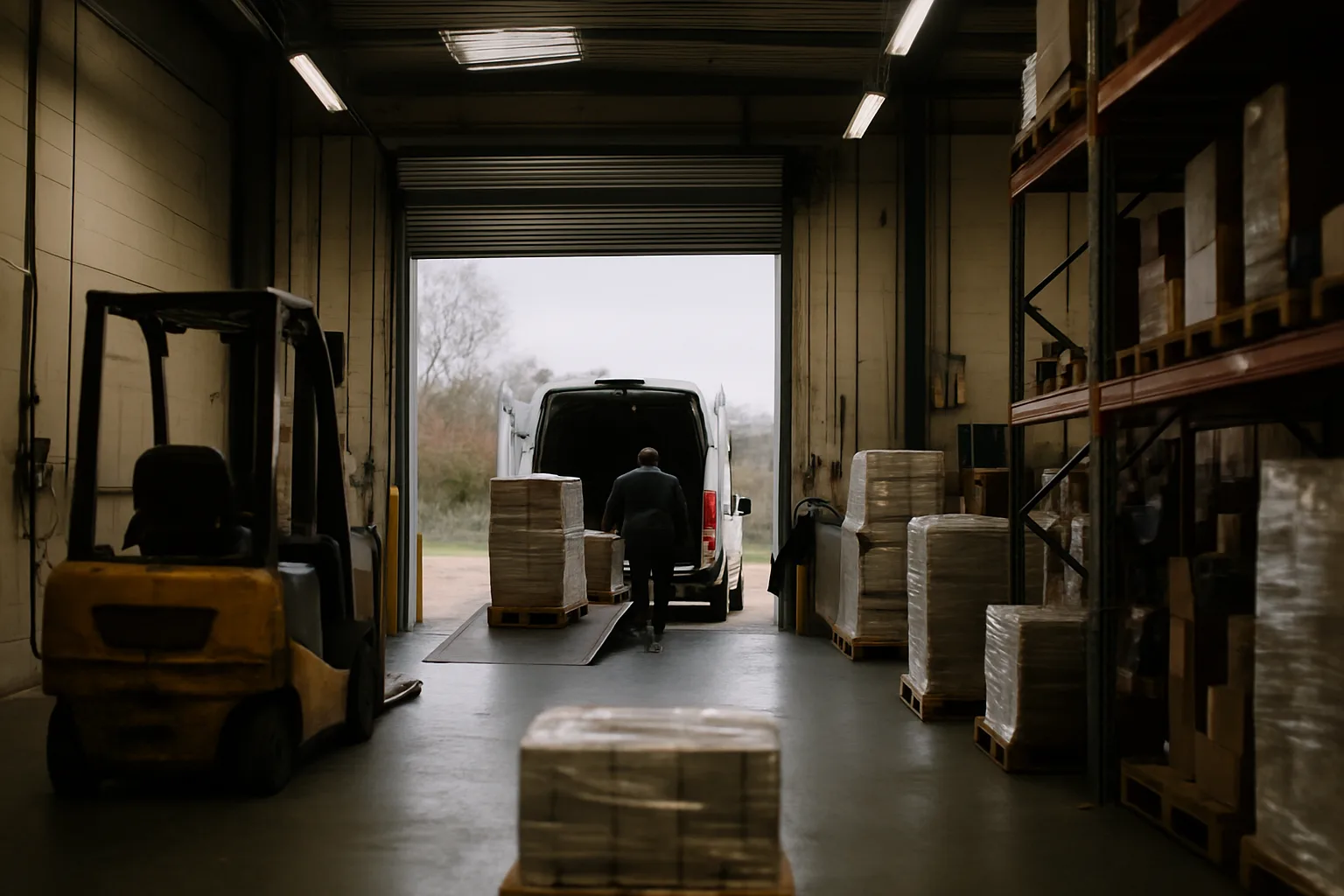
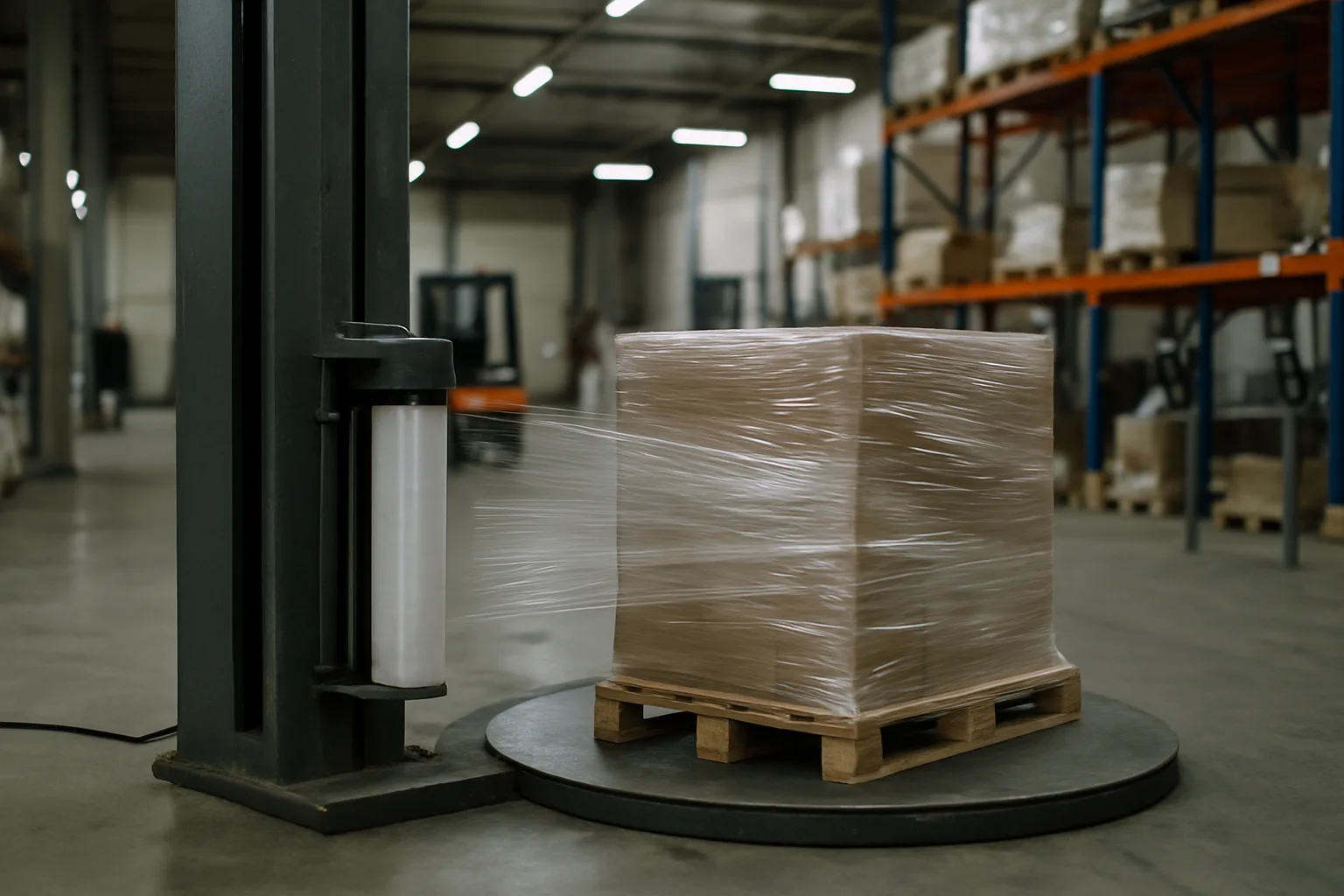
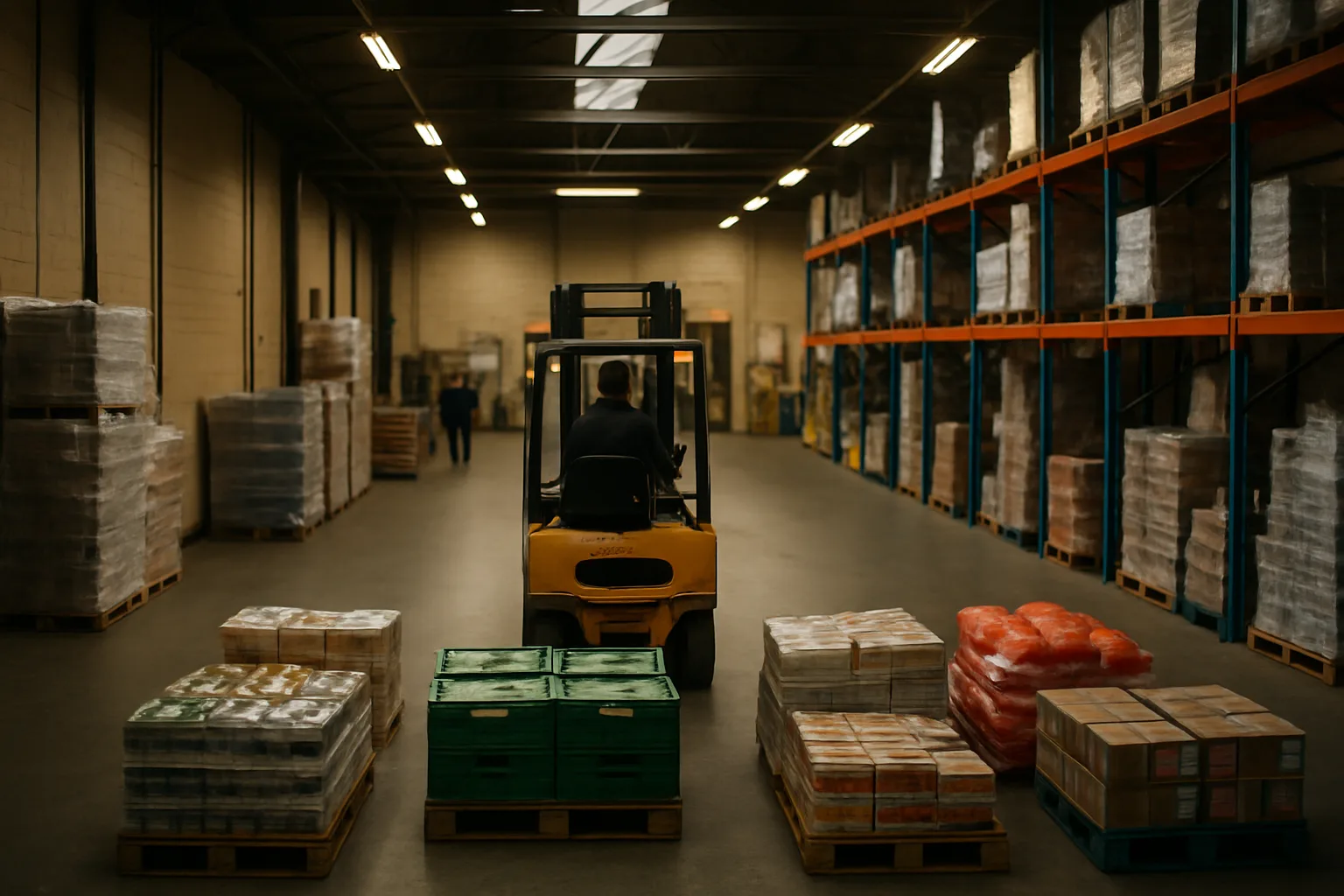
When your order lands with us it becomes a picking list. Someone walks the aisles with it, pulls your cases, checks dates on anything that carries one, and puts the pallet in the bay for your route. If a line cannot be filled in full, that is the moment we tell you. A short line you hear about on the morning of the delivery is an inconvenience; a short line you discover when the van has gone is a day of phone calls.
Why the app exists
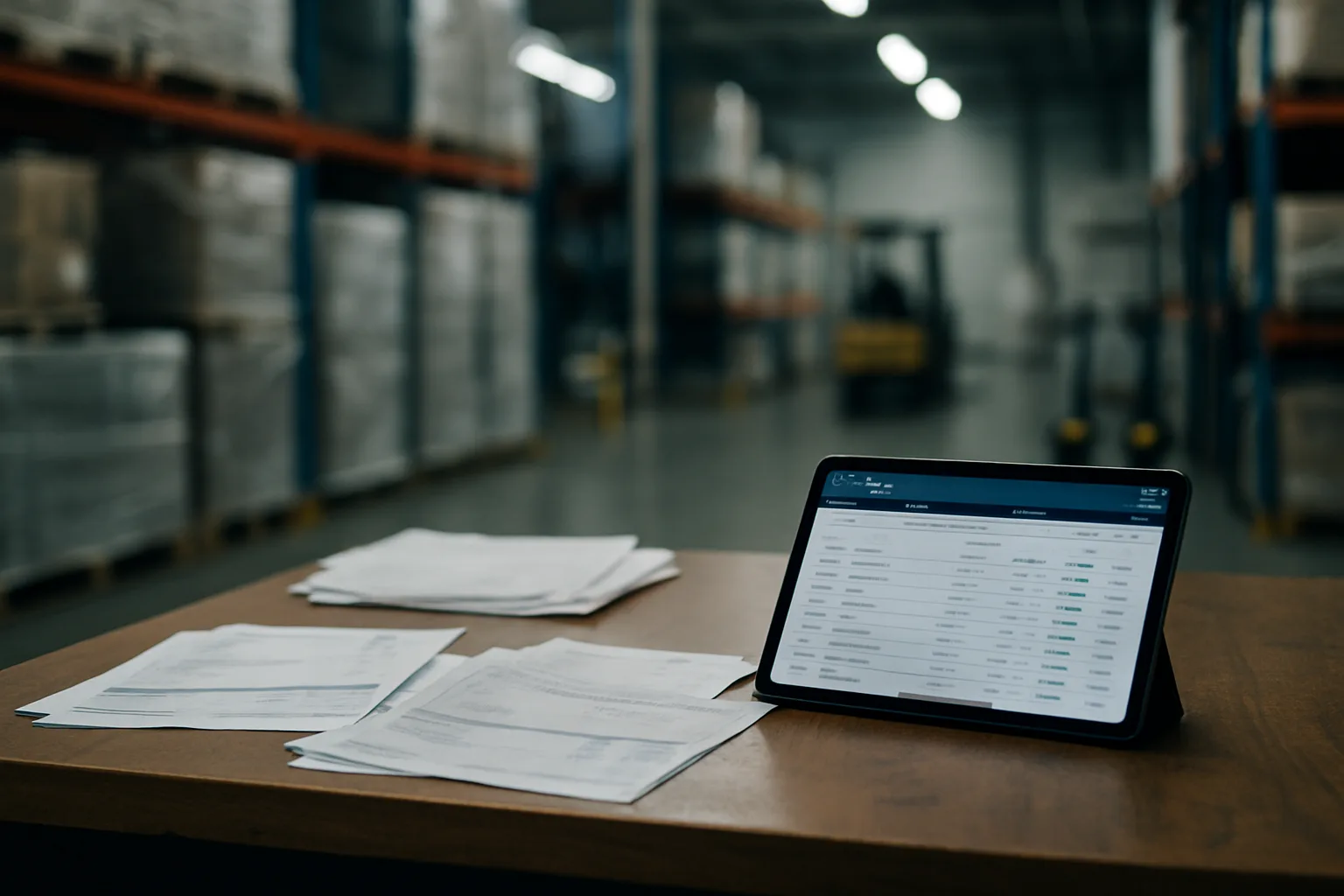
For years trade orders travelled by phone call, by fax, and then by message. All three have the same fault: there is no record both sides agree on. Our ordering app is simply that record. The catalogue carries your prices, not a list price you then have to argue down. Your previous orders are there to copy. The order gets a number the second you send it, and that number follows it through picking, loading, the route and the invoice.
Tracking is not a novelty here. It answers one question a manager asks several times a week — is it coming before service? — without anybody having to interrupt a driver.
What you end up holding
- Stock on the shelf on the day you expected it, in the quantities you ordered.
- A signed delivery note attached to the order it belongs to.
- An invoice you can match line by line against what arrived.
- A buying history you can look back through when you are deciding what to stop ordering.
That is the whole offer. We are not going to tell you that stock is exciting. We will tell you that it is predictable, which in this trade is worth more.